What Was the Pazzi Conspiracy?

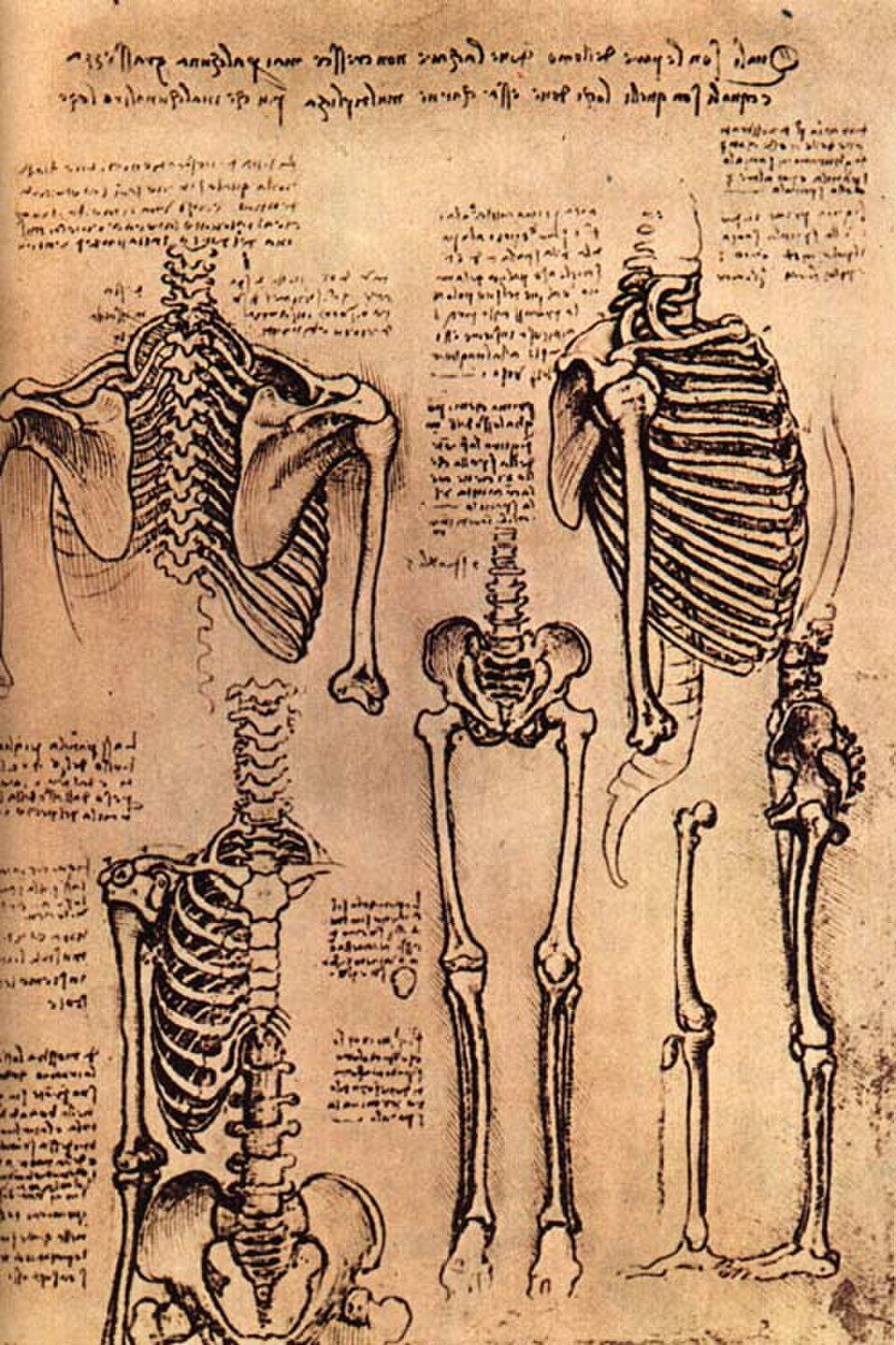
Image: Leonardo da Vinci, Public domain, via Wikimedia Commons
On April 26, 1478, an assassination attempt inside Florence’s cathedral transformed a political struggle into one of the most infamous events of the Italian Renaissance. The targets were Lorenzo de’ Medici and his younger brother, Giuliano, whose family held enormous influence over the Florentine government.
The conspiracy grew from tensions between the Medici and the Pazzi, another wealthy Florentine banking family. According to Niccolò Machiavelli, the Pazzi believed that the Medici had denied them political offices and interfered in a family inheritance dispute. Their resentment connected them with other enemies of the Medici, including Francesco Salviati, the Archbishop of Pisa, and Girolamo Riario, a nephew of Pope Sixtus IV. The pope offered his support for an attempt to change Florence’s government, although the conspirators discussed the planned killings among themselves (Machiavelli, 1989).
The conspirators originally considered attacking the brothers at a banquet. When Giuliano failed to attend, the plan moved to Sunday Mass at the Cathedral of Santa Maria del Fiore. During the service, Francesco de’ Pazzi and Bernardo Bandini attacked Giuliano, killing him. Lorenzo was wounded but escaped into the sacristy, where his supporters secured the doors.
At the same time, Archbishop Salviati and his followers attempted to seize the Palazzo Vecchio, the center of Florence’s government. The effort failed. Rather than supporting the conspirators, the people of Florence rallied behind the Medici. Francesco de’ Pazzi and Salviati were captured and hanged from the government palace. Jacopo de’ Pazzi fled the city but was soon captured and executed. Other participants were killed, imprisoned, or forced into exile (Poliziano, 1958).
The failed assassination did not end the conflict. Lorenzo remained in power, while Pope Sixtus IV excommunicated him and placed Florence under interdict. Florentine lawyers responded by arguing that the pope had condemned Lorenzo without allowing him a hearing. Both sides circulated written defenses of their actions as the dispute expanded beyond Florence (Pennington, 1993).
The conspiracy was intended to remove the Medici from power. Instead, Giuliano was dead, numerous conspirators were executed, and Lorenzo emerged with even greater support inside Florence.
Further Reading
Clark, K. (1973). Mona Lisa. The Burlington Magazine, 115(840), 144–151.
Greenstein, J. M. (2004). Leonardo, Mona Lisa and “La Gioconda”: Reviewing the evidence. Artibus
et Historiae, 25(50), 17–38. https://www.jstor.org/stable/1483789
Shell, J., & Sironi, G. (1991). Salaì and Leonardo’s legacy. The Burlington Magazine, 133(1055), 95–


Comments