Leonardo da Vinci and the Fossils That Challenged Conventional Wisdom
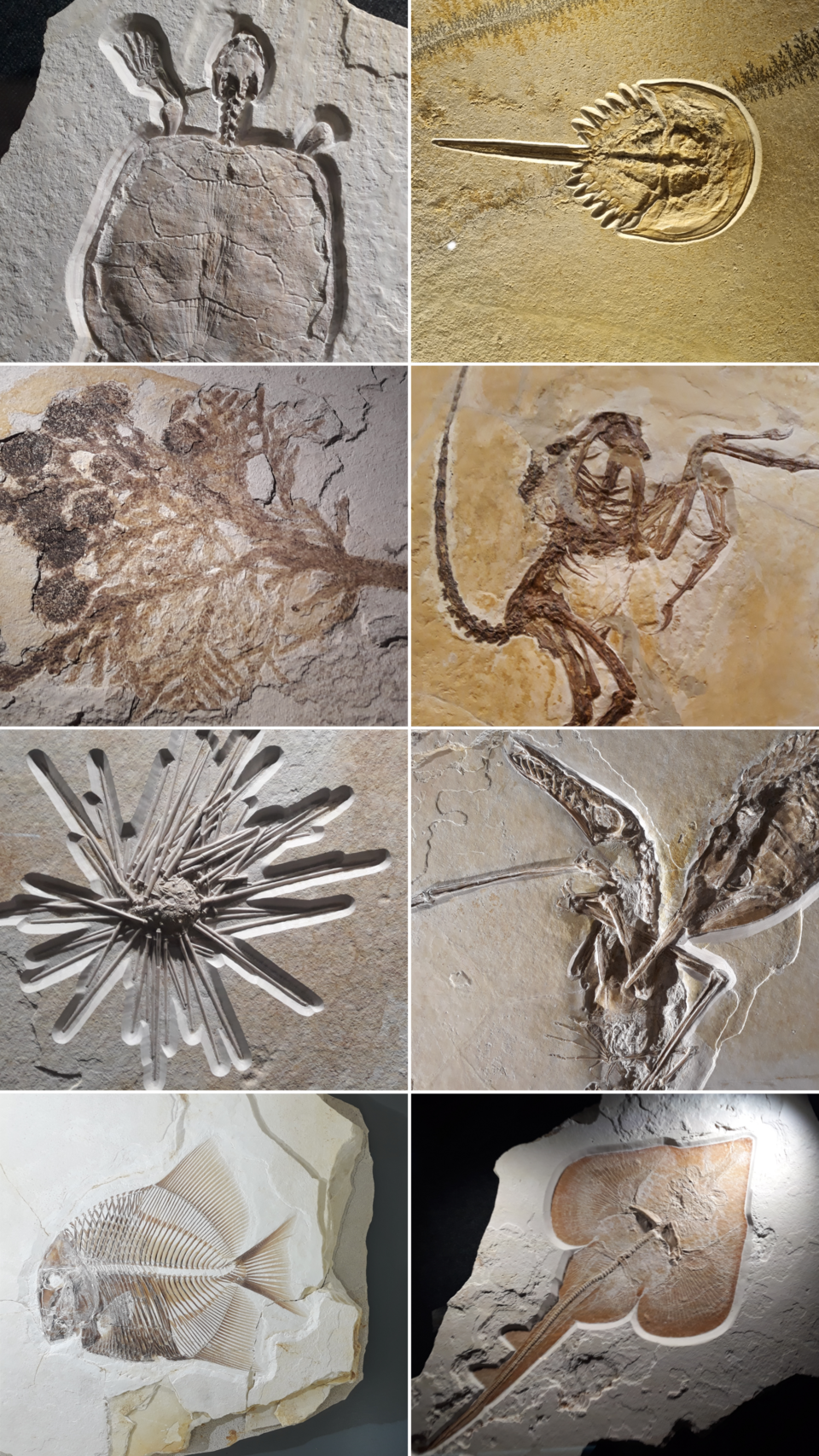
Image: Dean Falk Schnabel, CC0, via Wikimedia Commons
Historians have described Leonardo da Vinci's scientific theories and innovations as "ahead of their time" (Bush, 1978, p. 60). Few examples illustrate this better than his observations of fossilized shells found high in the mountains, far from any coastline. During Leonardo's lifetime, scholars generally explained these fossils in one of two ways. Many scholars believed in the Great Flood theory, which posited that during the Biblical flood described in the Book of Genesis, the seas rose to cover the mountains and sea creatures were left behind once the waters receded. The other theory was Inorganic theory, which held that the fossils were not created by living organisms but were merely interesting tricks of nature that resembled the actual creature (Baucon, 2010).
Leonardo’s notebooks recorded his observations on fossils between the years 1504 and 1506. Baucon (2010) summarizes Leonardo’s findings into three main conclusions. First, Leonardo observed that the fossils were most often found in sedimentary material. Second, the fossilized shells closely resembled modern mollusks, leading Leonardo to reject the Inorganic theory. Finally, Leonardo rebuffed the Great Flood theory because he suggested that multiple natural acts had contributed to the deposit of sediment and the creation of fossils, rather than one large catastrophic event (p. 361).
Even more remarkable was Leonardo's recognition of trace fossils, which had not previously been described in scientific literature (Baucon, 2010). Trace fossils are tracks, trails, borings, and burrows left behind by the animal rather than the organism itself. Leonardo observed that the trace fossils resembled mollusk trails and the bored holes caused by woodworms. Leonardo argued that evidence of movement could only have been produced by living organisms, further undermining the Inorganic theory (Baucon, 2010).
In a previous article in this series, we discussed how Leonardo is credited with illustrating the first known dated landscape. His observations did not stop with landscapes. According to Baucon (2010), Leonardo is believed to have produced the earliest known illustration of trace fossils. In preserved pages of his notebooks, researchers have found sketches of the honeycomb pattern of Paleodictyon, a trace fossil local to the region where Leonardo lived. He also included drawings of various creatures he believed could be responsible for the patterns (Baucon, 2010).
Leonardo’s fascination with the natural world extended past his notebooks and into his paintings. Leonardo's fascination with the natural world extended beyond his notebooks and into his paintings. In our next article, we'll examine how he insisted on geological accuracy in masterpieces such as Virgin of the Rocks and Madonna of the Yarnwinder.
Further Reading
Baucon, A. (2010). Leonardo da Vinci, the founding father of
ichnology. PALAIOS, 25(5–6), 361–367.
Bush, Virginia I. (1978). Leonardo's Sforza Monument and
Cinquecento Sculpture. Arte Lombarda, 50, 47–68.


Comments